

Emergency communication systems were designed for a very different world. Traditional 911 infrastructure was built around landline voice calls, fixed locations, and limited data sharing. That structure worked when emergencies were simpler and people were less mobile. Today, cities are larger, traffic is heavier, and emergencies unfold across both physical and digital environments. This creates pressure on older systems that were never designed for real-time data exchange. In many cases, callers struggle to explain their exact location or situation clearly. Dispatchers are forced to rely on incomplete information. This delay can affect response times and outcomes. Next-Generation 911 addresses these limitations by introducing digital communication, real-time location tracking, and multimedia capabilities. It helps emergency systems move from guesswork to data-driven decision-making, which is critical in time-sensitive situations.
Understanding What Next-Generation 911 Really Is
Next-Generation 911 is a complete modernization of emergency communication systems. It replaces analog phone-based networks with internet-based digital infrastructure. Instead of only voice calls, it allows text messages, images, videos, and precise location data to be transmitted during emergencies. This change is not just technical. It is operational. It reshapes how dispatch centers understand and respond to incidents. With richer data available at the first point of contact, responders can prepare more effectively before arriving on scene. For example, a caller can send a live video of a fire or share their GPS location instantly. This reduces uncertainty and improves coordination between emergency teams. The system is designed to be faster, more flexible, and more responsive to modern communication habits.
Core Architecture of Next-Generation 911 Systems
IP-Based Communication Networks and Cloud Infrastructure
At the core of Next-Generation 911 is IP-based communication. Instead of relying on traditional telephone lines, emergency data is transmitted over secure internet networks. This allows multiple types of information to be sent at once, including voice, text, and multimedia. Cloud infrastructure supports this system by providing scalable storage and processing power. It ensures that emergency services remain operational even during high call volumes or localized outages. This combination improves reliability and makes the system more adaptable to modern demands.
Geographic Information Systems (GIS) for Location Accuracy
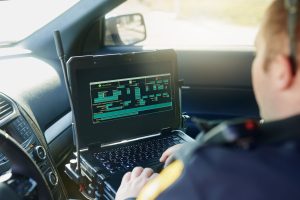
Location accuracy is one of the most important improvements in modern emergency systems. GIS technology helps identify a caller’s exact position using GPS, mobile data, and network signals. This is especially important for mobile users who may not know their precise location during an emergency. Instead of relying on verbal descriptions, dispatchers can see accurate map-based data in real time. This reduces confusion and speeds up response deployment.
Interoperable Data Sharing Between Agencies
A major strength of Next-Generation 911 is interoperability. Different emergency agencies can share data instantly through connected systems. Police, fire departments, and medical responders all access the same information in real time. This eliminates communication gaps and ensures that everyone involved in a response has a shared understanding of the situation. It improves coordination and reduces delays during complex incidents.
How Next-Generation 911 Improves Emergency Response Efficiency
Speed and accuracy are critical in emergency response. Next-Generation 911 improves both by automating call routing and enhancing data clarity. Calls are directed to the appropriate dispatch center based on location and incident type. This reduces transfer delays and ensures faster connection to the right responders. Real-time data sharing also allows emergency teams to adjust their actions as situations evolve. Instead of static instructions, responders receive continuous updates. This improves decision-making on the ground. In high-risk situations such as accidents or fires, even small time savings can significantly improve outcomes. The system reduces uncertainty and helps emergency teams act with greater confidence.
Role of Digital Communication in Modern Emergency Reporting
Modern emergencies often require more than voice communication. In some situations, people cannot speak clearly or safely. Next-Generation 911 allows users to send text messages, images, and video clips directly to dispatch centers. This provides a clearer understanding of the situation before responders arrive. It also improves accessibility for individuals with hearing or speech impairments. They can communicate effectively without relying on voice calls. Real-time video is especially valuable because it allows dispatchers to assess severity instantly. This helps prioritize resources and allocate support where it is needed most. Digital communication makes emergency response more inclusive and accurate.
Integration with First Responders and Public Safety Agencies
Emergency response involves multiple agencies working together under pressure. Next-Generation 911 connects these agencies through unified platforms. Fire departments, police units, and medical services receive shared information in real time. This reduces duplication of effort and improves coordination. Unified incident management systems allow all agencies to track the same event from different perspectives. For example, in a traffic accident, police can manage traffic control while medical teams prepare for patient care, all using synchronized data. This level of integration reduces confusion and improves operational efficiency during emergencies.
Cybersecurity and Reliability Challenges in Next-Generation 911
While digital systems improve performance, they also introduce new risks. Because Next-Generation 911 relies on internet-based infrastructure, it must be protected against cyber threats. These include data breaches, system disruptions, and unauthorized access. Strong encryption, firewalls, and continuous monitoring are essential for protecting sensitive emergency data. Reliability is also a major concern. Emergency systems must remain operational at all times, even during outages or high traffic conditions. Redundant systems and backup networks are used to ensure continuous availability. Privacy is another important factor, as emergency data often includes personal information. Balancing accessibility and security is a key challenge in modern system design.
Implementation Barriers and Infrastructure Upgrades
Transitioning to Next-Generation 911 requires significant investment. Many regions still rely on outdated infrastructure that cannot support digital communication systems. Upgrading these systems involves high costs for hardware, software, and network upgrades. Training is also necessary. Dispatch operators must learn how to manage new tools, interpret multimedia data, and operate digital platforms effectively. Adoption rates vary between regions, creating uneven levels of service. Some cities have fully modernized systems, while others are still in transition. This creates gaps in emergency response capabilities across different areas.
Public Awareness and User Adaptation to Modern 911 Systems
Public understanding plays a major role in system effectiveness. Even advanced systems fail if users do not know how to use them correctly. Next-Generation 911 introduces new communication options such as text, image sharing, and location services. Citizens must be educated on when and how to use these features. Clear instructions help reduce confusion during emergencies. Simplicity is also important. The system must be easy to use under stress without requiring technical knowledge. Public awareness campaigns and training initiatives help ensure smooth adoption and improve overall system efficiency.
Future Innovations in Next-Generation 911
The future of emergency communication is becoming increasingly intelligent. Artificial intelligence will help analyze incoming data and prioritize emergencies based on severity. This will reduce response delays and improve resource allocation. Integration with smart city systems will allow emergency platforms to receive data directly from sensors, cameras, and connected devices. IoT technology may enable automatic detection of accidents, fires, or medical incidents without human reporting. Predictive analytics will also play a role by identifying risk patterns before emergencies occur. These innovations will make Next-Generation 911 more proactive, efficient, and adaptive.
Conclusion
Next-Generation 911 represents a major shift in how emergency communication systems operate. It moves beyond traditional voice calls and introduces digital, data-rich communication that improves accuracy, speed, and coordination. By integrating technologies like IP networks, GIS mapping, and multimedia communication, emergency response becomes more informed and efficient. While challenges such as cybersecurity, cost, and public adaptation remain, the long-term benefits are significant. As cities grow and emergencies become more complex, modernized systems will play a crucial role in saving lives and improving response outcomes.