
Education is not merely a phase confined to childhood; it is a continuous journey that spans an entire lifetime. From our earliest years to our golden age, the pursuit of knowledge adapts to meet the changing requirements of our personal and professional lives.
Recognizing the value of diverse educational experiences at every stage allows individuals to remain adaptable, informed, and engaged members of society.
As we traverse different developmental periods, the focus of our learning shifts. Whether it involves building foundational skills, acquiring professional expertise, or fostering community awareness, education remains the bedrock of personal growth.
Embracing this lifelong process ensures that we are always prepared to meet the challenges of an ever-changing world.
Foundations at the Center for Early Childhood Education
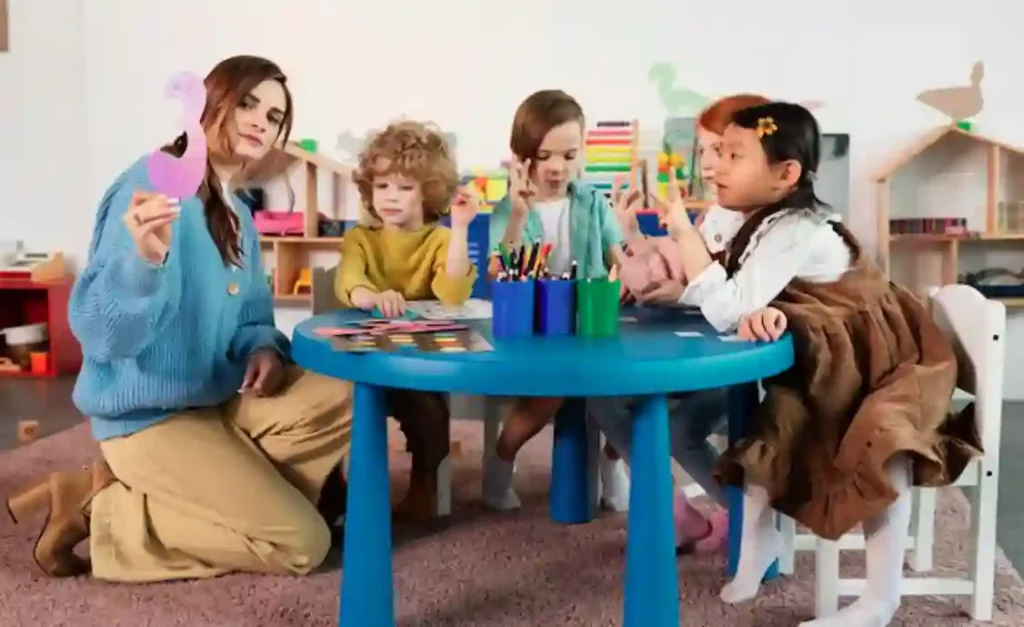
The journey begins with early development, where the environment plays a critical role in shaping future cognitive and social success. A quality center for early childhood education provides the necessary structure for young minds to explore their surroundings safely.
At this stage, education focuses on play-based learning, social interaction, and basic literacy skills. These environments foster curiosity and emotional intelligence, setting a vital foundation that makes subsequent formal schooling more effective.
Early exposure to structured learning helps children develop the discipline and confidence required for their academic future.
Expanding Horizons Through Formal Academic Schooling
As individuals move into their primary and secondary years, the curriculum becomes more specialized. This stage is designed to broaden knowledge across various disciplines, including mathematics, sciences, and the humanities.
Formal schooling acts as a bridge, teaching students how to think critically and analyze information systematically.
Beyond the academic subjects, these years are essential for developing study habits, time management, and resilience—skills that are indispensable regardless of the career path chosen later in life.
Community Engagement and Beneficial NYPD Youth Education
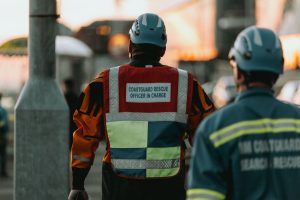
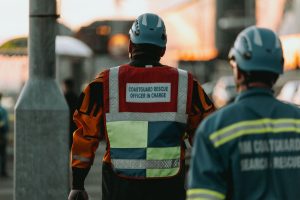
Education extends beyond the classroom walls and into the community. Programs such as comprehensive NYPD youth education initiatives provide unique opportunities for younger members of society to engage with civic leaders and learn about public safety.
These programs often emphasize leadership, team building, and responsible citizenship. By participating in community-focused educational activities, youth gain a broader perspective on their roles within society and learn how to contribute positively to their local neighborhoods while fostering mutual respect and cooperation.
Higher Learning and Specialized Professional Training
For many, the transition into adulthood involves pursuing higher education or vocational training. This stage is highly targeted, focusing on the specific competencies required for career entry or advancement.
Whether attending a university or participating in a technical certification program, the goal here is to master a craft. In a rapidly evolving economy, staying ahead requires a commitment to specialized learning that bridges the gap between theoretical knowledge and practical, real-world application.
Continuous Skill Refinement in the Modern Workforce
The learning process does not stop upon securing a position in the workforce. In the modern era, continuous professional development is a necessity to remain competitive. Professionals must regularly update their skills to adapt to new technologies and industry trends.
Engaging in workshops, online courses, and seminars ensures that your professional toolkit remains relevant. This proactive approach to education is the key to long-term career stability and professional satisfaction.