
Emergency communication systems have changed slowly compared to other technologies. For decades, traditional 911 systems relied on landline-based, circuit-switched telephone networks. These systems were designed in an era when most people used fixed phones and emergencies were reported through voice calls only.
At that time, this model was effective. But modern communication habits have changed completely. Today, most people use mobile devices, digital messaging, and internet-based communication. Emergencies now happen in fast-moving, complex environments where location and context matter more than ever.
This shift exposed clear limitations in legacy telecommunications. Voice-only communication, lack of precise location data, and limited coordination between agencies began to create delays and inefficiencies.
Next-Generation 911 emerged as a response to these gaps. It represents a major modernization of emergency communication, designed to match today’s digital reality and improve response outcomes in critical situations.
Defining Next-Generation 911 and Its Core Purpose
Next-Generation 911 (NG911) is a modern emergency communication system that replaces outdated analog infrastructure with internet-based digital networks. Instead of relying only on telephone circuits, it uses IP-based systems to transmit voice, text, images, video, and real-time location data.
The core purpose of NG911 is to improve how emergency information is received, processed, and shared. It allows dispatch centers to understand situations more clearly before responders arrive on scene.
This system is built to support modern communication methods. It recognizes that emergencies are no longer limited to voice calls and that richer data leads to better decisions.
The transition from legacy systems to NG911 is not just a technical upgrade. It is a structural shift in how emergency services operate, communicate, and coordinate during crises.
Major Limitations of Legacy 911 Telecommunications
Voice-Only Communication Constraints in Emergencies
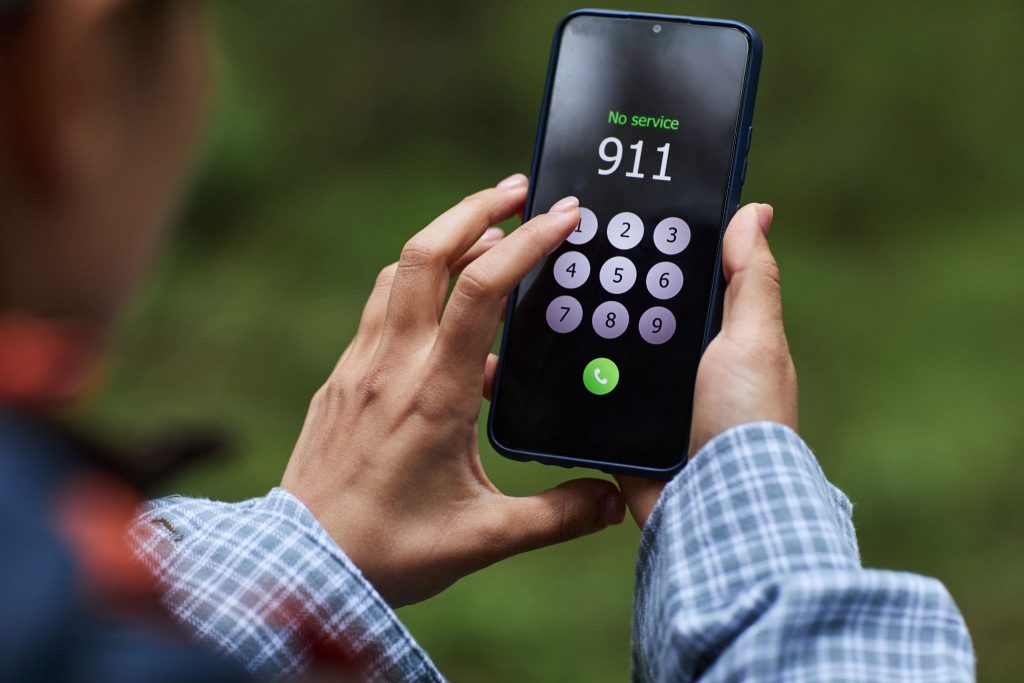
Traditional 911 systems depend entirely on voice communication. This creates challenges in situations where callers cannot speak clearly, safely, or at all. Noise, panic, injury, or environmental conditions can make communication difficult. In some cases, callers may not be able to describe their situation accurately, which delays response and increases risk.
Location Accuracy Challenges in Mobile Environments
Legacy systems were designed around fixed landline locations. With mobile phones, determining exact caller location becomes more difficult. Dispatchers often rely on verbal descriptions or approximate network data. This can lead to delays in reaching the correct location, especially in rural or unfamiliar areas.
Limited Data Sharing Between Emergency Agencies
Older systems were not built for real-time data exchange. Police, fire departments, and medical services often operate on separate communication channels. This lack of integration slows coordination and reduces situational awareness during complex emergencies.
These limitations highlight why modernization became necessary and how Next-Generation 911 addresses these gaps.
How Next-Generation 911 Transforms Emergency Connectivity
NG911 replaces analog telephone infrastructure with digital IP-based communication systems. This allows emergency data to travel through secure internet networks rather than traditional phone lines.
One of the most important improvements is multimedia support. Callers can send text messages when speaking is not possible, share images of incidents, or even stream video to dispatch centers. This provides a much clearer understanding of the situation.
Real-time data transmission is another major advantage. Information flows instantly between callers, dispatchers, and emergency responders. This reduces delays and improves decision-making speed.
In practical terms, Next-Generation 911 turns emergency communication from a single voice call into a dynamic, data-rich interaction.
Technical Architecture Behind Next-Generation 911 Systems
Cloud-Based Emergency Call Routing Systems
NG911 systems use cloud infrastructure to manage emergency call routing and data storage. This ensures scalability and reliability during high-volume incidents. Cloud systems also allow faster updates and system improvements without major downtime.
GIS Mapping and Precision Location Services
Geographic Information Systems (GIS) play a central role in NG911. These systems map caller locations using GPS, mobile signals, and network data. This provides dispatchers with precise location information, reducing guesswork and improving response accuracy.
Interoperable Data Exchange Frameworks
Interoperability is a key feature of modern emergency systems. NG911 enables different agencies to share data seamlessly through standardized frameworks. This ensures that all responders have access to the same information in real time, improving coordination during emergencies.
Together, these components create a flexible and intelligent communication infrastructure.
Key Operational Advantages of Next-Generation 911
One of the most important benefits of Next-Generation 911 is speed. Calls are processed more efficiently and routed automatically to the appropriate dispatch center. This reduces delays caused by manual transfers or misrouting.
Situational awareness is also significantly improved. Dispatchers can see real-time data, including caller location, images, and environmental context. This helps them assess severity more accurately before sending responders.
Coordination between agencies is also enhanced. Fire, police, and medical teams can work from a shared information system, reducing confusion and improving response efficiency.
Overall, NG911 creates a more connected and responsive emergency ecosystem.
Integration with Modern Public Safety Infrastructure
NG911 does not operate in isolation. It integrates with broader public safety infrastructure, including smart city systems and IoT devices.
Sensors placed in urban environments can detect incidents such as fires, accidents, or environmental hazards. These alerts can be automatically sent to emergency dispatch systems.
Police, fire departments, and EMS units are all connected through synchronized communication platforms. This allows them to coordinate actions more effectively.
In advanced cities, Next-Generation 911 becomes part of a larger digital safety network that improves overall urban resilience.
Security, Reliability, and System Resilience in NG911
Because NG911 is internet-based, cybersecurity is a major concern. Systems must be protected against hacking, data breaches, and service disruptions.
Encryption and secure communication protocols are used to protect sensitive emergency data. Continuous monitoring helps detect and prevent cyber threats in real time.
Reliability is ensured through redundancy systems. If one network fails, backup systems take over to maintain service continuity.
Data privacy is also important. Emergency systems handle personal and location data, so strict controls are required to prevent misuse.
These safeguards are essential for maintaining trust and system stability.
Challenges in Transitioning from Legacy Systems to NG911
Upgrading to Next-Generation 911 is a complex process. One of the biggest challenges is cost. Replacing legacy infrastructure requires significant investment in technology, training, and maintenance.
Training is another important factor. Dispatch operators must learn new tools and adapt to digital workflows. This transition requires time and structured education programs.
Adoption rates also vary between regions. Some municipalities have advanced systems, while others still rely on outdated infrastructure. This creates inconsistencies in emergency response capabilities.
Despite these challenges, the long-term benefits outweigh the transition difficulties.
Future Developments in Next-Generation 911 Technology
The future of NG911 is closely linked to artificial intelligence and automation. AI systems will help analyze incoming emergency data and prioritize calls based on urgency.
Predictive analytics may allow emergency services to identify risk patterns before incidents occur. This could help prevent emergencies rather than only respond to them.
Integration with smart city infrastructure will become more advanced. IoT devices, traffic systems, and environmental sensors will all feed data into emergency networks.
In some cases, systems may automatically detect emergencies without human input. This will further reduce response times and improve accuracy.
These innovations will make Next-Generation 911 more intelligent, proactive, and efficient.
Conclusion
Next-Generation 911 represents a fundamental upgrade from legacy telecommunications systems. It replaces outdated voice-only networks with digital, data-rich communication platforms that improve speed, accuracy, and coordination.
By integrating IP-based communication, real-time location tracking, and multimedia data sharing, NG911 significantly enhances emergency response capabilities.
While challenges such as cost, training, and cybersecurity remain, the direction of public safety is clear. Emergency systems must evolve to match modern communication and urban complexity.
As adoption increases, NG911 will play a critical role in building faster, smarter, and more connected emergency response systems that better protect lives in real time.