
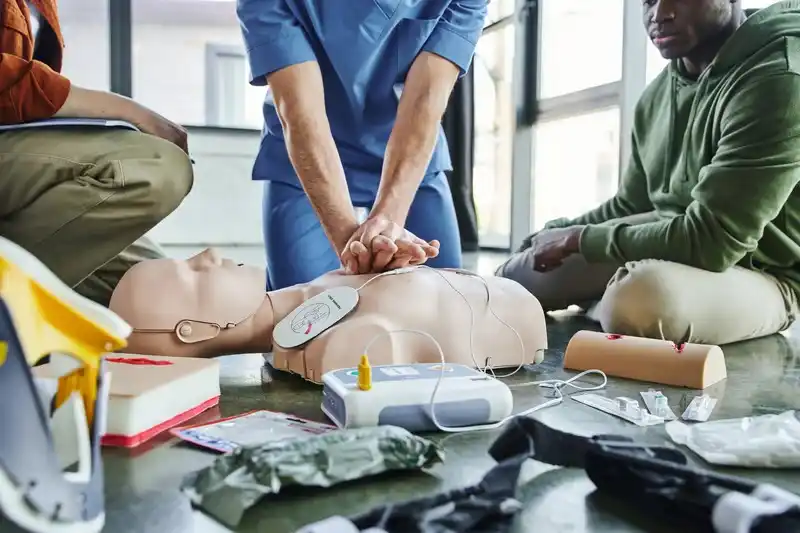
Emergencies rarely happen with warning. A medical crisis, natural disaster, workplace accident, fire, or public safety incident can develop within seconds and require immediate action. In these situations, the knowledge, confidence, and preparation of emergency response personnel can make the difference between confusion and effective rescue.
As risks continue to evolve in 2026, emergency responders face increasingly complex situations. Climate-related disasters, technological incidents, public health emergencies, and large-scale accidents require professionals who are trained beyond basic response skills. This is why emergency response training has become more advanced, specialized, and essential across industries.
Modern emergency response personnel are no longer expected to rely only on instinct or basic first aid knowledge. They need certifications that prove their ability to assess situations, manage risks, provide immediate care, coordinate teams, and make decisions under pressure.
Training certifications are not just professional requirements. They represent readiness, responsibility, and the ability to protect lives when every second matters.
The Growing Importance of Certified Emergency Responders
Emergency response work has always required strong skills, but the demands of the modern world have changed significantly. Today’s responders must handle unpredictable environments, advanced medical situations, and rapidly changing threats.
Organizations across healthcare, construction, manufacturing, education, transportation, and government sectors increasingly require trained personnel who can respond effectively before professional emergency services arrive.
The value of emergency response training is not limited to technical knowledge. It develops leadership, communication, problem-solving, and decision-making abilities that are critical during high-pressure situations.
A certified responder understands how to remain calm, evaluate danger, prioritize actions, and provide appropriate assistance without creating additional risks.
In 2026, employers and organizations are placing greater emphasis on verified certifications because they demonstrate that personnel have completed structured learning and practical assessments.
Basic Life Support Certification: A Foundation for Every Responder
One of the most important certifications for emergency response personnel remains Basic Life Support (BLS). This training focuses on essential skills needed to respond to life-threatening medical emergencies.
BLS certification typically covers cardiopulmonary resuscitation (CPR), automated external defibrillator (AED) use, choking response, and emergency assessment procedures.
For many professionals, this certification serves as the foundation of emergency preparedness. Healthcare workers, teachers, security personnel, fitness professionals, and workplace safety teams often rely on BLS skills.
In real emergencies, early intervention can dramatically improve survival outcomes. A trained individual who begins CPR before emergency services arrive can provide critical support during the most important minutes of a medical crisis.
As emergency response training continues evolving, BLS remains one of the most recognized and valuable certifications worldwide.
Advanced Cardiovascular Life Support for Medical Response Teams
For healthcare professionals and advanced responders, Advanced Cardiovascular Life Support (ACLS) certification is one of the most important credentials.
ACLS builds upon basic emergency skills by teaching advanced techniques for managing cardiac emergencies, stroke situations, and complex medical conditions.
The training focuses on recognizing symptoms, understanding emergency medication procedures, managing airways, and coordinating medical teams during critical events.
In hospitals and emergency care environments, ACLS-trained professionals are often responsible for making fast decisions that directly impact patient outcomes.
The importance of this certification reflects a broader trend in emergency response training: responders need specialized knowledge based on their environment and responsibilities.
First Aid and CPR Certifications for Workplace Emergency Preparedness
First aid and CPR certifications remain essential for many workplace responders. These programs teach individuals how to provide immediate assistance before professional medical teams arrive.
Workplace emergencies can include injuries, allergic reactions, burns, falls, and sudden illnesses. Having trained employees available creates a safer environment and reduces response delays.
Many organizations now encourage employees beyond safety teams to complete basic emergency certifications because emergencies can happen anywhere.
A trained coworker, teacher, manager, or supervisor may become the first person able to provide assistance during a critical moment.
This highlights why emergency response training is valuable not only for professional responders but also for everyday safety culture.
Emergency Medical Technician Certification for Professional Responders
For individuals pursuing emergency response careers, Emergency Medical Technician (EMT) certification remains one of the most significant professional pathways.
EMTs receive comprehensive training in patient assessment, emergency medical care, transportation procedures, and crisis management.
The role requires technical knowledge combined with emotional strength because EMTs frequently work in stressful and unpredictable environments.
In 2026, EMT training continues adapting to modern challenges, including disaster response, trauma care, and community emergency needs.
This certification provides the foundation for many careers in emergency medicine and public safety.
Disaster Response and Crisis Management Certifications
Natural disasters and large-scale emergencies require specialized preparation. Disaster response certifications focus on managing situations involving multiple victims, limited resources, and complex coordination.
These programs teach responders how to organize emergency operations, communicate effectively, and support communities during major incidents.
With climate-related events increasing in many regions, disaster preparedness has become a major focus of emergency response training.
Responders must understand evacuation procedures, resource management, risk assessment, and recovery planning.
A certified disaster response professional helps transform chaotic situations into organized emergency operations.
Fire Safety and Emergency Evacuation Training
Fire-related emergencies remain among the most common workplace and public safety challenges. Fire safety certifications prepare responders to identify hazards, manage evacuation procedures, and respond appropriately during fire incidents.
Modern fire safety training includes more than extinguisher use. It covers prevention strategies, emergency communication, building safety awareness, and evacuation leadership.
Organizations with trained fire response personnel can reduce risks and improve employee safety.
In many industries, fire safety certification is a critical component of overall emergency preparedness programs.
Mental Health First Aid and Psychological Emergency Support
Emergency response is not only about physical injuries. Psychological support has become increasingly important in modern crisis situations.
Mental Health First Aid certifications teach responders how to recognize emotional distress, provide initial support, and guide individuals toward professional help.
After disasters, accidents, or traumatic events, people may experience fear, anxiety, shock, or emotional breakdowns.
Responders with mental health awareness can provide more complete support during emergencies.
This represents a broader evolution in emergency response training, where emotional well-being is recognized as part of overall safety.
Workplace Safety and Occupational Response Certifications
Industries such as construction, manufacturing, and energy require specialized safety training because workplace risks vary significantly.
Occupational safety certifications teach responders how to identify hazards, manage workplace incidents, and follow safety regulations.
These programs often include emergency planning, incident reporting, risk assessment, and prevention strategies.
Companies increasingly invest in certified safety personnel because prevention and preparedness reduce injuries, downtime, and financial losses.
Digital Tools and Technology in Emergency Response Training
Technology is transforming how emergency responders learn and practice their skills. In 2026, many training programs include simulations, virtual reality exercises, and digital learning platforms.
These tools allow responders to practice realistic scenarios without real-world danger.
For example, virtual simulations can recreate disaster environments, medical emergencies, or rescue situations where trainees must make quick decisions.
Technology does not replace practical experience, but it enhances learning by creating more immersive training opportunities.
Expert Perspective: Why Continuous Training Is Essential
Emergency response skills require regular practice. Experts emphasize that certifications should not be viewed as one-time achievements.
Procedures, equipment, and emergency guidelines continue changing. Regular refresher training ensures responders remain prepared.
A professional who completed training years ago may need updated knowledge to handle modern challenges effectively.
Continuous learning is a key part of successful emergency response training because preparedness depends on maintaining confidence and competence.
How Organizations Can Choose the Right Certifications
Selecting the right certification depends on the role, environment, and responsibilities of the responder.
A hospital employee may need advanced medical certifications, while a workplace safety officer may require occupational safety training.
Organizations should evaluate potential risks and identify which skills are most necessary.
The best emergency response programs combine theoretical knowledge with practical exercises because real emergencies require action, not just information.
The Future of Emergency Response Certifications in 2026 and Beyond
The future of emergency response training will focus on adaptability, technology, and comprehensive preparedness.
As emergencies become more complex, responders will need broader skills that combine medical knowledge, communication, technology, and leadership.
Certifications will continue evolving to address new risks and provide professionals with the tools needed for modern emergencies.
Organizations and individuals who invest in advanced training will be better prepared to protect communities and save lives.
Conclusion: Why the Right Certification Can Make a Life-Saving Difference
Emergency response personnel carry a responsibility that requires knowledge, preparation, and confidence. In 2026, the most valuable certifications are those that provide practical skills, updated knowledge, and the ability to respond effectively under pressure.
From basic life support and first aid to advanced medical care, disaster response, and crisis management, each certification strengthens emergency preparedness.
Emergency response training is not simply about meeting workplace requirements. It is about creating individuals who can act when others need help most.
As challenges continue changing, certified responders will remain essential in building safer workplaces, communities, and societies.
FAQs
1. Which certification is most important for emergency responders in 2026?
The most important certification depends on the responder’s role, but BLS, CPR, first aid, and advanced emergency medical certifications remain among the most valuable. These programs provide essential skills needed during life-threatening situations and create a strong foundation for further professional emergency response development.
2. Why is emergency response training important for workplaces?
Emergency response training helps workplaces prepare for accidents, medical emergencies, fires, and unexpected incidents. Trained employees can provide immediate support before professional responders arrive, reducing risks and improving overall safety. It also helps organizations create stronger emergency plans and improve workplace preparedness.
3. How often should emergency response certifications be renewed?
Most emergency response certifications require regular renewal because skills, guidelines, and equipment continue changing. Many programs recommend renewal every few years, while some organizations provide more frequent refresher training to ensure responders maintain confidence and readiness.
4. Can non-medical professionals complete emergency response training?
Yes, many emergency response programs are designed for non-medical professionals. Teachers, managers, security staff, and community members can learn valuable first aid, CPR, and crisis response skills. These certifications help individuals respond effectively during emergencies before specialized help arrives.
5. What skills do emergency response certifications teach?
Emergency response certifications teach skills such as medical assessment, CPR, first aid, communication, crisis management, evacuation procedures, and decision-making under pressure. Advanced programs may include trauma care, disaster coordination, and specialized emergency techniques depending on the responder’s professional responsibilities.