
Large-scale disasters are becoming more complex and unpredictable. Earthquakes, floods, industrial accidents, and public health emergencies often affect multiple regions at the same time. In these situations, the difference between chaos and control depends on how well emergency response protocols are designed and implemented.
Integrated systems are now replacing fragmented response models. Instead of separate agencies working independently, modern emergency management focuses on coordination, communication, and shared decision-making. This shift has significantly improved survival rates, reduced response delays, and strengthened disaster recovery outcomes.
Understanding how integrated protocols work is essential for improving public safety in a world where emergencies can escalate within minutes.
The Growing Need for Coordinated Disaster Response Systems
Disasters today are more frequent, more intense, and more interconnected than in the past. Climate change, urban expansion, and global mobility have increased the scale of emergency events.
In many traditional systems, emergency services operated independently. Fire departments, medical teams, and law enforcement often used separate communication channels and decision structures. During large-scale disasters, this separation created delays and confusion.
Modern emergency response protocols address this problem by improving coordination between all agencies involved in disaster management.
When systems are not integrated, several issues appear quickly. Resources may be duplicated in one area while another remains underserved. Communication gaps can delay rescue operations. Decision-making becomes slower under pressure.
Integrated systems are designed specifically to eliminate these inefficiencies and improve response accuracy during critical moments.
What Integrated Emergency Response Protocols Actually Mean
Integrated emergency response protocols refer to structured systems that allow multiple emergency agencies to work together as a single coordinated unit.
Instead of operating in isolation, agencies share information, communication channels, and command structures. This creates a unified response framework during disasters.
At the core of this model is collaboration. Fire services, medical teams, police forces, and disaster management authorities all follow shared procedures.
These protocols define how information flows, who makes decisions, and how resources are distributed during emergencies.
A key feature of emergency response protocols is real-time coordination. This means that all participating agencies have access to the same situational data, which reduces confusion and improves decision speed.
Core Elements of Integrated Emergency Response Protocols
Integrated systems depend on several essential components working together.
Unified Command Systems and Decision-Making Hierarchies
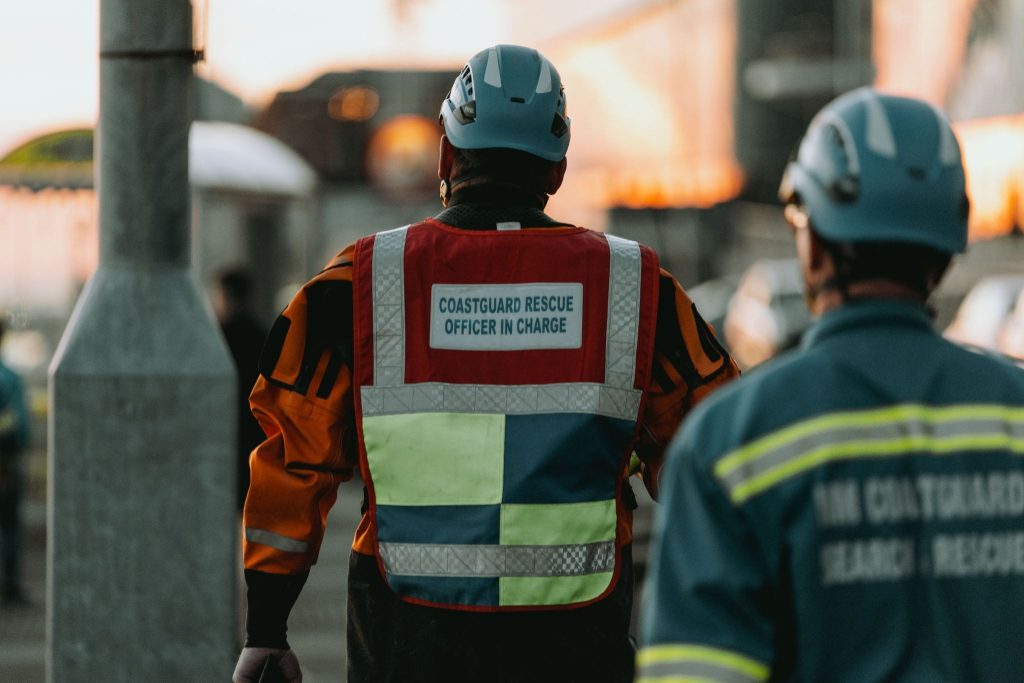
Unified command structures ensure that all agencies operate under a single leadership framework during emergencies. Instead of competing instructions, there is one coordinated decision-making center.
This reduces confusion and ensures that response actions are prioritized correctly based on severity and urgency.
Real-Time Communication and Data Sharing Networks
Communication is one of the most critical elements in disaster response. Integrated systems use shared communication platforms that allow instant updates between agencies.
This ensures that every team has access to the same information, reducing delays and improving accuracy.
Resource Coordination and Multi-Agency Collaboration
Disasters often require large-scale resource deployment. Integrated protocols ensure that personnel, vehicles, medical supplies, and rescue equipment are distributed efficiently.
This prevents resource duplication and ensures that critical areas receive immediate attention.
These elements form the foundation of effective emergency response protocols in modern disaster management systems.
How Integration Improves Speed and Efficiency During Disasters
Speed is one of the most important factors in emergency response. In large-scale disasters, every minute can affect survival outcomes.
Integrated systems significantly reduce response time by improving coordination between agencies.
When protocols are unified, emergency teams do not waste time determining responsibilities. Each agency knows its role and can act immediately.
Efficiency also improves because resources are allocated based on real-time data rather than assumptions.
Situational awareness is shared across all teams, allowing faster identification of high-risk areas.
This level of coordination reduces operational delays and improves the overall effectiveness of emergency response protocols.
The Role of Technology in Strengthening Emergency Response Protocols
Technology has become a central part of modern disaster management systems.
Artificial intelligence is now used to analyze incoming data and predict the spread of disasters. This helps emergency teams prepare before conditions worsen.
Geographic Information Systems (GIS) allow responders to map disaster zones in real time. This improves navigation and resource planning during emergencies.
Mobile communication platforms enable instant updates between field teams and command centers. This reduces miscommunication and improves response accuracy.
Emergency alert systems also notify the public quickly, helping reduce panic and improve evacuation efficiency.
Technology ensures that emergency response protocols are faster, smarter, and more data-driven than ever before.
Interagency Collaboration During Large-Scale Crises
Large disasters often require multiple agencies to work together at national and international levels.
Fire departments, medical services, police forces, and military units must coordinate their actions carefully.
In global disasters such as pandemics or cross-border natural events, international cooperation becomes essential.
However, collaboration is not always simple. Different agencies may have different training methods, communication systems, and operational priorities.
Integrated emergency response protocols help align these differences by creating standardized procedures and shared communication frameworks.
This improves coordination and reduces operational conflicts during crises.
Case Scenarios Where Integrated Protocols Make a Difference
Integrated response systems are especially important during complex emergencies.
In natural disasters such as earthquakes or floods, multiple regions may be affected simultaneously. Coordinated protocols ensure that rescue teams are deployed efficiently and that resources are prioritized correctly.
In industrial accidents involving hazardous materials, integration between fire, medical, and environmental agencies is critical to prevent further damage.
During public health emergencies, such as pandemics, coordinated response systems ensure that medical resources, data reporting, and public communication are aligned across regions.
These real-world scenarios demonstrate how emergency response protocols directly influence disaster outcomes.
Challenges in Implementing Effective Emergency Response Protocols
Despite their benefits, integrated systems face several challenges.
One major issue is infrastructure limitations. Some regions still rely on outdated communication systems that do not support real-time data sharing.
Training inconsistencies between agencies can also create coordination gaps during emergencies.
Political and administrative differences may slow down the implementation of unified systems.
Budget constraints often limit the ability to invest in advanced technology and training programs.
These challenges highlight the need for continued investment in improving emergency response protocols worldwide.
Training and Preparedness for Integrated Response Systems
Effective integration depends heavily on training and preparedness.
Joint simulation exercises are used to train multiple agencies to work together under realistic disaster scenarios. These drills help identify weaknesses in coordination and communication.
Standardized protocols ensure that all agencies follow the same procedures during emergencies.
Continuous professional development is also important. Emergency personnel must regularly update their skills to keep up with evolving technologies and risks.
Preparedness ensures that when real disasters occur, teams can respond quickly and effectively without confusion.
Future Trends in Emergency Response Protocols
The future of disaster management is moving toward smarter and more automated systems.
Smart cities are beginning to integrate sensors, AI, and automated response systems to detect emergencies in real time.
Predictive analytics will play a larger role in identifying potential disasters before they occur, allowing preventive action.
Global standardization of emergency response protocols will improve international cooperation during large-scale crises.
Automation will reduce human response delays by triggering immediate alerts and resource deployment.
These advancements will make emergency systems faster, more connected, and more proactive.
Conclusion
Integrated emergency response protocols are essential for improving outcomes during large-scale disasters. As emergencies become more complex and widespread, coordination between agencies is no longer optional, it is critical.
By improving communication, standardizing procedures, and leveraging technology, integrated systems significantly reduce response time and increase efficiency.
The combination of unified command structures, real-time data sharing, and multi-agency collaboration ensures that resources are used effectively during crises.
While challenges still exist, ongoing improvements in training, technology, and global cooperation are making emergency systems more resilient.
In the future, the most effective disaster response systems will be those that are fully integrated, data-driven, and capable of adapting instantly to changing conditions.