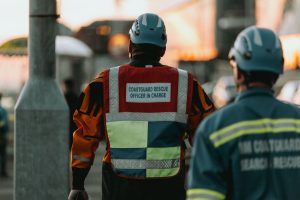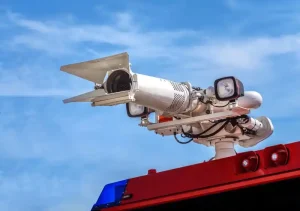


In emergencies, every second counts. The quicker first responders can mobilize, the better the chances of saving lives and minimizing damage. As technology evolves, so does the capability of emergency services to respond swiftly and effectively. Today, several innovative technologies are transforming how first responders mobilize to emergencies. From advanced communication tools to the use of drones, these technologies enhance coordination and response times. In this article, we will explore the top technologies currently revolutionizing first responder technology, highlighting their significance and impact on emergency services.
Advanced Communication Systems
Enhanced Radio Systems
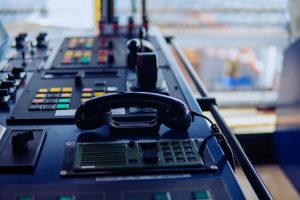
Communication is the backbone of any effective emergency response. Traditional radio systems have limitations, particularly in terms of range and clarity. However, advanced radio systems are changing the landscape of communication for first responders. These systems utilize digital technology to provide clearer audio, better encryption, and extended range. This means that responders can communicate more effectively with each other and with dispatch centers, ensuring that vital information is shared promptly.
Improvements in radio technology also include features such as GPS integration and automatic location tracking. This allows dispatchers to see where units are in real-time, enabling them to deploy resources more efficiently. In high-pressure situations, having clear and reliable communication can drastically reduce response times and improve overall coordination.
Mobile Communication Applications
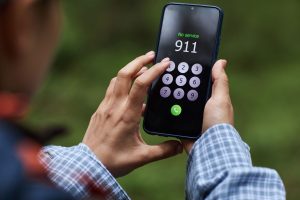
Alongside advanced radio systems, mobile communication applications are becoming increasingly popular among first responders. These applications allow for real-time messaging, video conferencing, and data sharing. With mobile devices, responders can have access to crucial information, such as building layouts, hazard materials data, and patient information, right from the scene of an emergency.
Mobile apps also facilitate better collaboration among different agencies. When multiple organizations respond to a situation, having a unified communication platform ensures that everyone is on the same page. This level of coordination is vital in complex emergencies where multiple teams are working together. By integrating communication into a single application, agencies can enhance their operational efficiency and mobilization speed.
Geographic Information Systems (GIS)
Real-Time Mapping
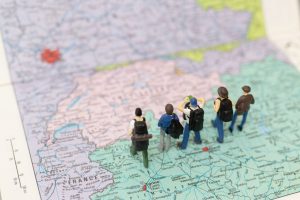
Geographic Information Systems (GIS) are playing a crucial role in how first responders navigate during emergencies. These systems provide real-time mapping and geographic data that help responders understand the layout of an area, including roads, buildings, and potential hazards. With accurate and up-to-date maps, responders can plan the best routes to an incident, avoiding obstacles and traffic delays.
In addition to basic mapping, GIS technology can integrate multiple data sources, such as weather conditions, traffic patterns, and even historical incident data. This comprehensive view allows responders to anticipate challenges and make informed decisions before they arrive on the scene. By leveraging GIS technology, first responders can reduce mobilization times and improve their overall effectiveness.
Incident Mapping and Analysis
Furthermore, GIS is essential for incident mapping and analysis. After an event, responders can use GIS to analyze response times, resource allocation, and the effectiveness of their mobilization strategies. This data-driven approach helps agencies identify areas for improvement and optimize their processes for future emergencies.
By understanding the geographical challenges they face, agencies can better prepare for similar incidents in the future. This continuous learning cycle enhances the overall readiness of first responders, ensuring that they can mobilize quickly and effectively when it matters most.
Drones and Aerial Technology
Aerial Reconnaissance
Drones are revolutionizing the way first responders approach emergencies. These unmanned aerial vehicles (UAVs) can provide aerial reconnaissance in situations where it may be dangerous or difficult for ground units to access. Drones equipped with cameras can capture real-time images and videos, giving command centers a bird’s-eye view of the situation.
This aerial perspective is invaluable in assessing damage, locating victims, and understanding the scope of an incident. By deploying drones early in the response process, agencies can gather critical information that informs their mobilization strategies. This can lead to faster and more effective deployment of resources, ultimately saving lives.
Delivery of Supplies
In addition to reconnaissance, drones are being used to deliver supplies in emergencies. In remote areas or during disasters where access is limited, drones can transport essential items such as medical supplies, food, and water to those in need. This capability is particularly useful in situations where ground transportation is compromised, allowing first responders to reach affected individuals more quickly.
The use of drones for supply delivery can significantly enhance the speed of mobilization. By bypassing traditional logistical challenges, first responders can ensure that critical resources reach those in need without delay. As drone technology continues to improve, we can expect to see even more innovative applications in emergency response.
Artificial Intelligence and Machine Learning
Predictive Analytics
Artificial intelligence (AI) and machine learning are becoming essential tools for first responders. These technologies can analyze vast amounts of data to predict where emergencies are likely to occur. By identifying patterns and trends, agencies can allocate resources more effectively and prepare for potential incidents before they happen.
Predictive analytics can help first responders understand when and where they need to mobilize. For instance, if data indicates an increase in fire risks in a particular area, agencies can pre-position resources to respond more quickly. This proactive approach can significantly enhance mobilization speed and improve overall safety.
Smart Dispatch Systems
AI is also transforming dispatch systems. Smart dispatch systems use algorithms to determine the fastest routes for responding units based on real-time traffic data, road conditions, and the type of emergency. This technology helps dispatchers make informed decisions quickly, ensuring that first responders arrive at the scene promptly.
By optimizing dispatch processes, agencies can reduce response times and improve coordination among different units. This level of efficiency is crucial in emergencies, where every second counts. AI-powered dispatch systems are becoming a standard in modern emergency services, enhancing the speed and effectiveness of first responder mobilization.
Wearable Technology
Health Monitoring Devices
Wearable technology is making its way into the realm of emergency services. First responders can now use health monitoring devices that track vital signs and physical condition in real-time. These devices provide valuable data that can help command centers assess the health and readiness of their personnel during a response.
Monitoring the health of first responders is critical, especially in high-stress situations. If a responder shows signs of fatigue or distress, command centers can make informed decisions about resource allocation and support. This capability ensures that responders are fit for duty, ultimately contributing to a safer and more efficient mobilization process.
Communication and Navigation Wearables
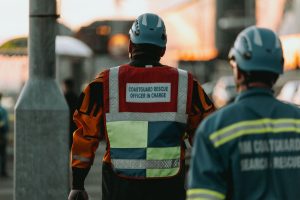
In addition to health monitoring, wearable devices can enhance communication and navigation for first responders. Smart helmets or vests equipped with communication systems allow responders to stay connected with their teams while on the move. These wearables can also provide navigation assistance, ensuring that responders can find their way quickly and safely.
By integrating communication and navigation features into wearable technology, first responders can operate more effectively in the field. This seamless connectivity contributes to faster mobilization and improved coordination, ultimately enhancing the overall response to emergencies.
Integrated Command and Control Systems
Centralized Operations
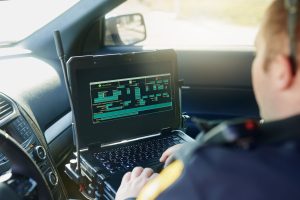
Integrated command and control systems are transforming how emergency services manage incidents. These systems allow for centralized operations, where various agencies can coordinate their efforts in real time. With a unified platform, first responders can share information, track resources, and manage deployments more efficiently.
Having a centralized command system enhances situational awareness, enabling agencies to respond to emergencies more effectively. This integration allows for better resource allocation and ensures that responders have access to the information they need to make informed decisions during a crisis.
Collaborative Tools
Modern command and control systems also include collaborative tools that facilitate communication among different agencies and departments. These tools allow for real-time data sharing, which is crucial during multi-agency responses. By fostering collaboration, these systems enhance the speed of mobilization and ensure that all parties are working toward a common goal.
As emergencies become more complex, having integrated command and control systems will be essential for effective response. These technologies enhance coordination, streamline operations, and ultimately lead to quicker mobilization of first responders.
Conclusion
The landscape of first responder technology is rapidly evolving, with various innovations enhancing the speed and effectiveness of emergency mobilization. From advanced communication systems to drones and AI, each technology plays a crucial role in ensuring that first responders can act swiftly and efficiently. As these technologies continue to develop, we can expect to see even more significant improvements in how emergency services operate.
By embracing these advancements, first responders can enhance their capabilities and better serve their communities. The ultimate goal is to save lives and minimize the impact of emergencies, and with the right technologies in place, this goal is becoming increasingly attainable.
FAQs
1. What are the key benefits of using first responder technology?
First responder technology enhances communication, improves response times, and increases coordination among emergency services. These advancements lead to quicker mobilization and better outcomes during crises.
2. How do drones assist first responders in emergencies?
Drones provide aerial reconnaissance, allowing responders to assess situations from above. They can also deliver essential supplies to remote or hard-to-reach areas during emergencies.
3. What role does AI play in emergency response?
AI analyzes data to predict emergencies and optimize dispatch processes. This technology helps first responders allocate resources effectively and improve mobilization speed.
4. How does GIS technology improve first responder operations?
GIS technology provides real-time mapping and geographic data, helping responders navigate efficiently. It allows for better planning and resource allocation based on geographical challenges.
5. Why is wearable technology important for first responders?
Wearable technology monitors the health of first responders and enhances communication and navigation. This ensures responders are fit for duty and can operate effectively in the field.