
When a natural disaster, accident, or public safety emergency occurs, every second matters. Emergency teams must decide where to send resources, how many responders are needed, and where equipment should be positioned before situations become critical. Traditionally, these decisions depended heavily on historical data, human experience, and real-time observations.
Today, artificial intelligence is changing the way emergency planning works. Advanced algorithms can analyze massive amounts of information, identify patterns, and predict areas where risks are more likely to develop. This ability has made AI emergency response one of the most promising innovations in modern disaster management.
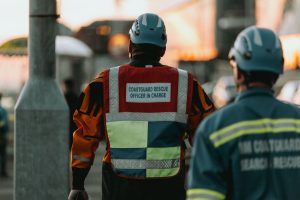
Artificial intelligence does not replace emergency professionals. Instead, it provides decision-support tools that help teams understand risks faster and prepare more effectively. By analyzing weather conditions, population data, infrastructure information, traffic patterns, and previous incidents, AI systems can help identify high-risk zones before emergencies escalate.
The use of AI emergency response technology represents a major shift from reactive strategies toward proactive preparation. Instead of waiting for a crisis to happen, organizations can use predictive insights to improve staging, resource allocation, and response coordination.
Understanding the Role of AI in Modern Emergency Management
Emergency response has always relied on information. The difference today is the speed and volume at which information can be processed. Traditional systems often required manual analysis, which could take valuable time during rapidly changing situations.
Artificial intelligence uses machine learning models, predictive analytics, and real-time data processing to create faster insights. These technologies allow emergency agencies to identify patterns that may not be obvious to human analysts.
In AI emergency response, systems can evaluate thousands of variables simultaneously. For example, during wildfire preparation, AI can analyze vegetation conditions, weather forecasts, wind patterns, and historical fire locations to estimate potential danger zones.
This does not mean AI can predict every emergency perfectly. Instead, it improves preparedness by helping decision-makers understand probabilities and possible outcomes.
How Artificial Intelligence Identifies High-Risk Zones
The ability of AI to identify high-risk areas comes from its ability to analyze large datasets. Machine learning models learn from previous events and recognize patterns connected to emergencies.
For example, an AI system studying flood risks may examine rainfall levels, river conditions, drainage systems, land elevation, and previous flooding records. By combining these factors, it can highlight locations that may require additional preparation.
In AI emergency response, predictive models are especially valuable because they help emergency planners position resources before an event occurs.
A city preparing for extreme weather may use AI predictions to decide where ambulances, rescue teams, and emergency supplies should be stationed. This reduces response times and improves overall efficiency.
The Importance of Data in AI-Powered Emergency Planning
Data is the foundation of effective artificial intelligence systems. The more accurate and relevant the data, the better AI models can identify potential risks.
Modern emergency systems can use information from weather satellites, geographic information systems, sensors, emergency calls, social media trends, and public infrastructure databases.
For example, during a heatwave, AI can analyze temperature patterns and identify neighborhoods where vulnerable populations may face higher risks.
This data-driven approach allows AI emergency response systems to support more targeted planning instead of using the same strategy for every location.
Predicting Natural Disaster Risk Areas
Natural disasters are among the most important areas where AI prediction technology is being used. Floods, hurricanes, earthquakes, wildfires, and storms often require rapid preparation.
AI models can analyze environmental conditions and historical patterns to estimate where damage may be highest.
For wildfire management, artificial intelligence can examine satellite images, humidity levels, wind direction, and vegetation dryness to identify possible fire spread areas.
In flood management, AI can combine rainfall forecasts with geographic data to predict locations where water accumulation is more likely.
These applications show how AI emergency response supports prevention and preparedness rather than only reacting after disasters occur.
Optimizing Emergency Response Staging Through AI
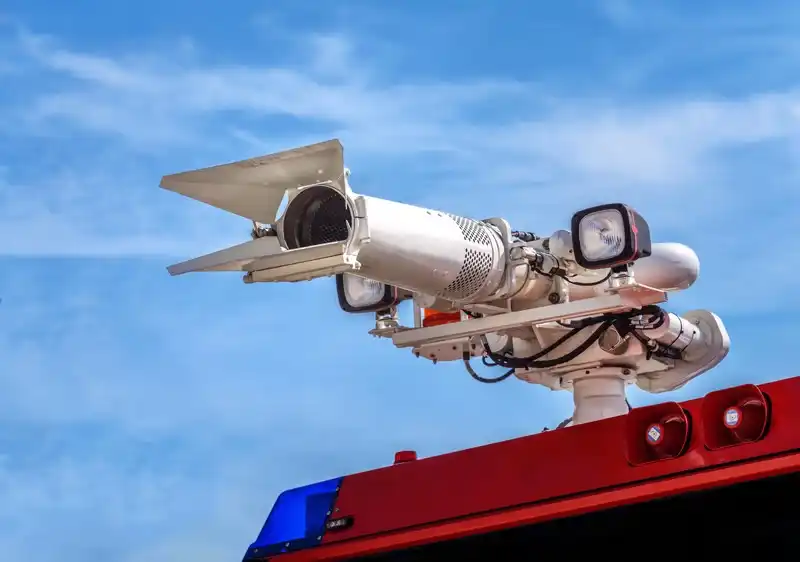
Emergency response staging refers to strategically placing resources before or during an event. This includes positioning ambulances, firefighters, medical supplies, rescue equipment, and communication teams.
The challenge is deciding where these resources should be located for maximum effectiveness.
AI improves this process by analyzing risk patterns and predicting where assistance may be needed most.
For example, if AI identifies that certain areas have higher accident rates during specific times, emergency managers can position resources closer to those locations.
Through AI emergency response, staging decisions become more informed, flexible, and responsive to changing conditions.
Real-Life Example of Predictive Emergency Planning
Imagine a coastal city preparing for a major storm. Traditional planning may rely on general evacuation maps and previous experiences.
An AI system can analyze current storm intensity, population density, road capacity, and infrastructure conditions. It may identify specific neighborhoods where flooding risks are higher and where emergency resources should be placed.
This allows officials to prepare targeted responses instead of using a one-size-fits-all approach.
This example demonstrates how AI emergency response can improve decision-making during complex situations.
AI and Emergency Response During Urban Challenges
Cities face unique emergency challenges because of population density, traffic congestion, and complex infrastructure systems.
Artificial intelligence can help cities understand patterns related to accidents, medical emergencies, crime risks, and environmental hazards.
For example, AI can analyze traffic data to determine the fastest routes for emergency vehicles. It can also predict areas where emergency calls may increase based on historical trends.
Urban planners increasingly view AI emergency response as an important tool for building smarter and safer communities.
Machine Learning and Predictive Analytics in Disaster Response
Machine learning allows AI systems to improve over time. As new data becomes available, models can adjust their predictions and become more accurate.
Predictive analytics helps emergency teams understand possible scenarios before they happen.
Instead of asking, “Where did emergencies happen before?” AI helps answer, “Where are emergencies more likely to happen next?”
This forward-looking approach is one of the biggest advantages of AI emergency response technology.
The Role of Geographic Information Systems and AI
Geographic information systems, often called GIS, play a major role in emergency planning. These systems organize location-based information and display risks visually.
When combined with artificial intelligence, GIS platforms become even more powerful.
AI can analyze geographic patterns and identify relationships between location, environment, and emergency risks.
For example, emergency managers can use AI-powered maps to understand which areas may need additional support during a disaster.
This combination strengthens AI emergency response by connecting prediction with real-world locations.
Conclusion: The Future of Smarter Emergency Response With Artificial Intelligence
Artificial intelligence is transforming the way emergency teams prepare for and respond to dangerous situations. By analyzing large amounts of data, identifying risk patterns, and predicting possible high-risk zones, AI helps organizations move from reactive emergency management toward proactive planning.
The power of AI emergency response lies in its ability to support faster and more informed decisions. Whether predicting flood-prone locations, identifying wildfire risks, improving emergency vehicle placement, or analyzing urban safety patterns, artificial intelligence provides valuable insights that can improve resource staging and response efficiency.
However, AI works best when combined with human expertise. Emergency professionals bring experience, judgment, and real-world understanding that technology cannot replace. The most effective approach is a partnership between advanced AI systems and skilled response teams working together.
As technology continues to improve, AI emergency response will become an increasingly important part of disaster preparedness. With better data, smarter algorithms, and stronger communication systems, communities can become more resilient and better prepared for future challenges.
Frequently Asked Questions
How does AI predict high-risk emergency zones?
AI predicts high-risk zones by analyzing large amounts of data, including weather patterns, historical incidents, geographic information, population data, and environmental conditions. Machine learning models identify patterns and provide predictions that help emergency teams prepare resources before potential crises occur.
Can AI replace human emergency responders?
No, AI cannot replace emergency responders. Instead, AI emergency response tools support professionals by providing faster data analysis, risk predictions, and planning assistance. Human judgment, experience, and decision-making remain essential during emergencies.
What types of emergencies can AI help predict?
AI can help predict risks related to floods, wildfires, storms, heatwaves, traffic incidents, and other public safety challenges. It can analyze different data sources to identify areas where additional preparation may be needed.
How does AI improve emergency resource staging?
AI improves resource staging by predicting where emergencies are more likely to occur and helping teams position equipment, vehicles, and personnel strategically. This reduces response times and allows emergency organizations to use resources more efficiently.
What is the future of AI emergency response technology?
The future of AI emergency response includes more accurate predictions, real-time monitoring, automated analysis, and smarter disaster planning systems. As technology advances, AI will continue helping communities prepare for emergencies more effectively.